Gyokuro #23 Review: A Premium Japanese Green Tea Worth Trying
By Home | Portal Tea | Tea Chai Lovers | United States | Published: 2026-08-30
Category: Product Reviews
Our in-depth review of Gyokuro #23, a shade-grown Japanese green tea with a sweet, umami-rich flavor. Learn brewing tips and how it compares to sencha.
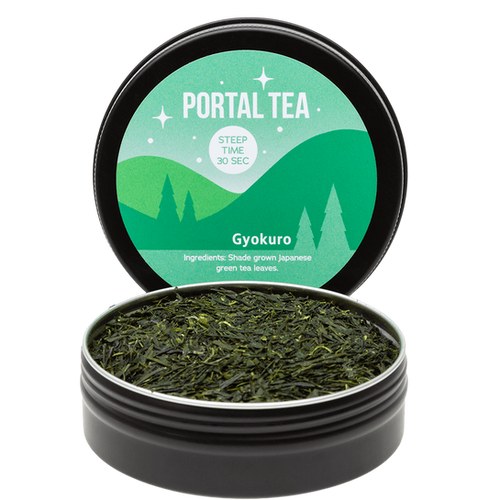
If you're a green tea enthusiast, you've likely heard of gyokuro, the pinnacle of Japanese green teas. Shade-grown for weeks before harvest, gyokuro develops a distinctive sweet, umami-rich flavor that sets it apart from everyday sencha. Today, we're taking a close look at Gyokuro #23, a premium offering from Portal Tea that promises to deliver this exceptional taste experience.
In this review, we'll explore the flavor profile, brewing techniques, and how Gyokuro #23 stacks up against other green teas. Whether you're a seasoned tea drinker or just curious about this revered variety, we'll help you decide if this tea is worth adding to your collection.
What Makes Gyokuro #23 Special?
Gyokuro is grown in the shade for about three weeks before harvest, which boosts chlorophyll and L-theanine levels. This process gives the leaves a deep green color and creates a sweet, savory umami character. Gyokuro #23 is crafted from young leaves picked in early spring, ensuring a delicate and refined cup.
Unlike sencha, which is sun-grown, gyokuro's shade treatment reduces bitterness and enhances sweetness. The flavor is often described as marine or vegetative, with notes of fresh seaweed, sweet pea, and a lingering, almost buttery finish. For those new to gyokuro, this can be a revelation—a green tea that's more savory than grassy.
- Shade-grown for 3 weeks to boost umami
- High in L-theanine for a calm, focused buzz
- Low bitterness compared to sun-grown teas
Tasting Notes: A Deep Dive into the Flavor
Brewed correctly, Gyokuro #23 offers a rich, sweet broth with a thick mouthfeel. The initial sip greets you with a gentle sweetness reminiscent of honeydew melon, followed by a wave of umami that coats the palate. This is balanced by a subtle vegetal note, like steamed spinach, and a clean, refreshing finish with no astringency.
As the tea cools, the sweetness intensifies, and you may notice hints of chestnut or even a light cocoa undertone. The liquor is a brilliant, pale green with a slightly cloudy appearance when brewed with cooler water, which is a hallmark of high-quality gyokuro. This tea is best enjoyed without milk or sweetener to fully appreciate its complexity.
- Sweet honeydew and umami notes
- Vegetal, spinach-like undertones
- Clean finish with low astringency
How to Brew Gyokuro #23 for Best Results
To unlock the full potential of Gyokuro #23, you'll need to use cooler water than you might for other green teas. Aim for around 140°F (60°C) and steep for 2 to 3 minutes. Use about 1 teaspoon of leaves per 6 ounces of water. This gentle extraction preserves the delicate amino acids responsible for the sweet, savory flavor.
You can also try the traditional method of brewing multiple infusions. Start with a short steep of 1 minute at 140°F, then increase the time and temperature slightly for subsequent steeps. Each infusion will reveal different facets of the tea's character, from the initial sweetness to a deeper, more brothy note. Avoid boiling water, as it will scorch the leaves and turn the tea bitter.
- Use 140°F (60°C) water, not boiling
- Steep 2-3 minutes for the first infusion
- Re-steep 3-4 times, gradually increasing steep time
Gyokuro vs. Sencha: What's the Difference?
The most common comparison is between gyokuro and sencha, both popular Japanese green teas. Sencha is grown in full sun, which gives it a brighter, more astringent flavor with grassy and citrusy notes. Gyokuro, on the other hand, is shaded, resulting in a sweeter, more mellow cup with pronounced umami.
In terms of price, gyokuro is typically more expensive due to the labor-intensive growing process and lower yields. If you prefer a lighter, more refreshing daily tea, sencha might be your go-to. But for a special occasion or a contemplative afternoon, gyokuro offers a luxurious experience that's hard to beat. Gyokuro #23 sits firmly in the premium category, making it a worthwhile splurge for tea lovers.
- Sencha: sun-grown, grassy, astringent
- Gyokuro: shade-grown, sweet, umami-rich
- Gyokuro is generally pricier due to cultivation
Gyokuro #23 is a standout example of premium Japanese green tea. Its sweet, umami-rich flavor profile is a delight for the senses, and with proper brewing, it offers a truly transcendent experience. While it requires a bit more care and a higher budget than everyday sencha, the reward is a cup that's both complex and soothing. If you're ready to explore the finer side of green tea, Gyokuro #23 is definitely worth trying.