The Health Benefits of Drinking Tea: What Science Says
By Home | Portal Tea | Tea Chai Lovers | United States | Published: 2026-08-29
Category: Industry News
Discover what current research reveals about tea's health benefits, from antioxidants to heart health, and how to choose the right tea for wellness.
For centuries, tea has been more than just a comforting beverage; it's been a staple of wellness traditions across the globe. Today, modern science is catching up, offering a growing body of research that explores how tea may support health. From antioxidants to heart health, the evidence is compelling—and it's worth understanding what's behind the hype.
In this article, we'll dive into what scientific studies say about tea's potential benefits, how different types of tea compare, and practical tips for incorporating tea into your daily routine. Whether you're a seasoned tea lover or just starting your journey, this guide will help you make informed choices.
Antioxidants in Tea: The Science of Protection
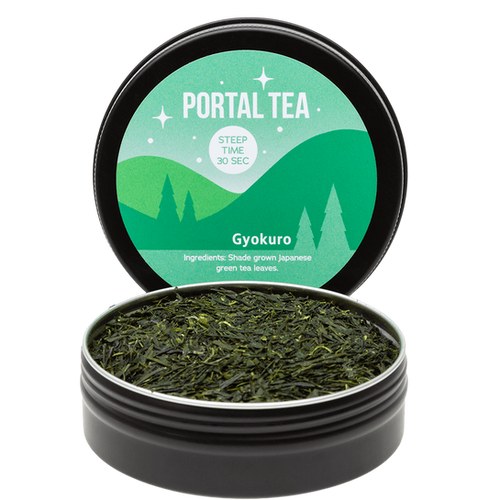
Tea leaves are rich in polyphenols, particularly catechins, which act as antioxidants in the body. These compounds help neutralize free radicals—unstable molecules that can damage cells and contribute to aging and disease. Green tea, such as Gyokuro #23, is especially high in catechins because it undergoes minimal oxidation, preserving these beneficial compounds.
Research suggests that regular consumption of antioxidant-rich tea may support cellular health and reduce oxidative stress. While studies are ongoing, the evidence points to tea as a valuable addition to a balanced diet. For those who prefer a sweeter profile, blends like Papaya & Pineapple #53 still offer antioxidant benefits, though the levels may vary based on the tea base.
- Choose high-quality loose leaf teas for maximum catechin content.
- Steep green tea at lower temperatures (160-180°F) to preserve delicate antioxidants.
Heart Health and Tea: What Studies Show
Multiple observational studies have linked tea consumption with improved heart health. Flavonoids in tea may help relax blood vessels, reduce inflammation, and improve cholesterol levels. A meta-analysis of randomized trials found that regular tea drinking was associated with lower blood pressure and reduced risk of cardiovascular events.
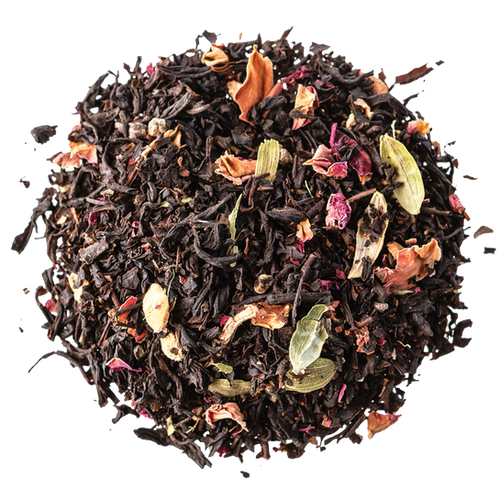
While most research focuses on green and black teas, herbal options like Hibiscus have also shown promise. For a heart-friendly routine, consider incorporating a variety of teas, such as a daily cup of green tea and an herbal infusion like Vanilla Rose Chai #69, which combines rooibos and rose for a caffeine-free option.
- Aim for 2-3 cups of tea daily to potentially support heart health.
- Pair tea with a balanced diet and regular exercise for best results.
Tea and Mental Wellbeing: Focus and Relaxation
Tea contains L-theanine, an amino acid that promotes relaxation without drowsiness. When combined with caffeine, as in green or black tea, L-theanine may improve focus and alertness. This unique synergy is why many tea drinkers report a calm, focused energy—different from the jittery buzz of coffee.
For relaxation, herbal teas like chamomile or lavender are popular, but blends like Love Blend #94, which includes rose and hibiscus, can also soothe the senses. On the other hand, if you're seeking an energy boost, a tea like Space Dust, which contains yerba maté, offers a natural lift with a smooth, earthy flavor.
- Try a cup of green tea when you need sustained focus without the crash.
- Incorporate a caffeine-free herbal tea in the evening to wind down.
Choosing the Right Tea for Your Health Goals
With so many tea varieties, selecting the right one can be overwhelming. Start by identifying your primary wellness goal: if you want antioxidants, go for green or white teas; for heart health, consider black or hibiscus; for relaxation, opt for herbal blends. Each type offers unique benefits, and rotating them can provide a broad range of nutrients.
Quality matters too. Loose leaf teas generally retain more beneficial compounds than heavily processed tea bags. For example, Dragon Pearl Jasmine #75, a jasmine-scented green tea, offers both the benefits of green tea and the aromatic pleasure of jasmine. Similarly, Hiker's Blend #98, an herbal blend with ginger and turmeric, supports digestion and immunity—ideal for active lifestyles.
- Read labels to ensure you're getting pure tea leaves without added flavors or fillers.
- Experiment with different types to find what you enjoy and what makes you feel good.
The science of tea is still evolving, but the evidence so far is encouraging. From antioxidants to heart health and mental wellbeing, tea offers a simple, enjoyable way to support your health. By choosing high-quality teas that suit your taste and wellness goals, you can make tea a rewarding part of your daily routine. Remember, consistency matters more than perfection—so brew a cup you love and savor the benefits.