Pyramid vs Traditional Tea Bags: Which Is Better?
By Home | Portal Tea | Tea Chai Lovers | United States | Published: 2026-08-29
Category: Comparisons
Compare pyramid tea bags and traditional tea bags to see which offers better flavor, convenience, and value. Learn the pros and cons of each.
Tea bags are a convenient way to enjoy a cup of tea, but not all are created equal. The debate between pyramid tea bags and traditional flat tea bags has grown as more brands adopt the pyramid shape. Understanding the differences can help you choose the right option for your taste and lifestyle.
In this comparison, we'll explore the design, flavor, cost, and environmental impact of both types. Whether you're a casual sipper or a devoted tea enthusiast, you'll find practical insights to guide your next purchase.
What Are Pyramid Tea Bags?
Pyramid tea bags are three-dimensional, often made from a fine mesh material like nylon or a plant-based PLA. Their shape allows tea leaves to move freely, which some believe enhances flavor extraction. Many specialty tea brands, including Portal Tea, use pyramid bags for their premium loose-leaf blends.
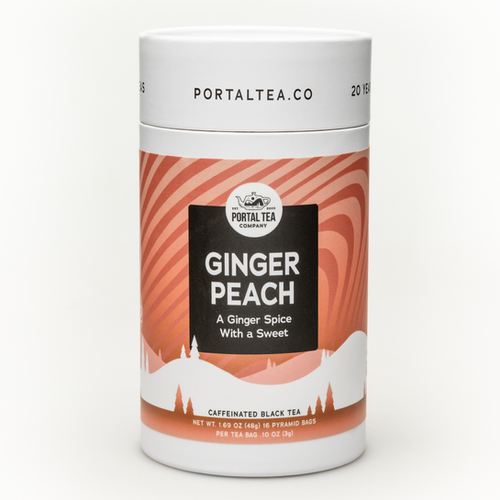
For example, Ginger Peach - Pyramid Tea Bags #62 offers a robust flavor profile that benefits from the extra room. The pyramid design also accommodates larger tea pieces, which are often higher quality than the dust found in traditional bags.
- Look for pyramid bags made from biodegradable materials to reduce environmental impact.
What Are Traditional Tea Bags?
Traditional tea bags are the familiar flat, rectangular pouches typically made from filter paper. They are widely used for everyday teas and are often more affordable. The compact design limits the space for tea leaves, which can result in a more restrained flavor.
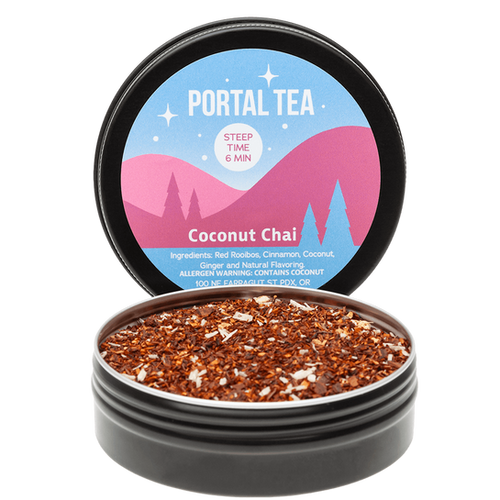
While many traditional bags contain fannings or dust, some brands offer whole-leaf options in traditional bags. For instance, Coconut Chai #50 is available in a traditional bag format that still delivers a satisfying cup, though the flavor may be less nuanced than its pyramid counterpart.
- Check the packaging for the tea leaf grade; whole leaves are preferable even in traditional bags.
Key Differences in Flavor and Quality
The primary difference lies in the tea leaf quality and the brewing space. Pyramid bags typically contain larger tea leaves, which expand fully when steeped, releasing a more complex flavor. Traditional bags often use smaller particles, which brew faster but can become bitter if steeped too long.
In a blind taste test, many tea drinkers find that pyramid bags produce a smoother, more aromatic cup. This is especially noticeable with delicate teas like Gyokuro #23, where the leaves need room to unfurl. However, for bold blends like Hiker's Blend #98, the difference may be less pronounced.
- Steep both types according to the package instructions to avoid over-extraction.
Convenience and Cost Considerations
Traditional tea bags are often cheaper per cup and are widely available in grocery stores. They are also more compact, making them easy to pack for travel. Pyramid bags, on the other hand, are usually priced higher due to the premium quality of the tea and the packaging.
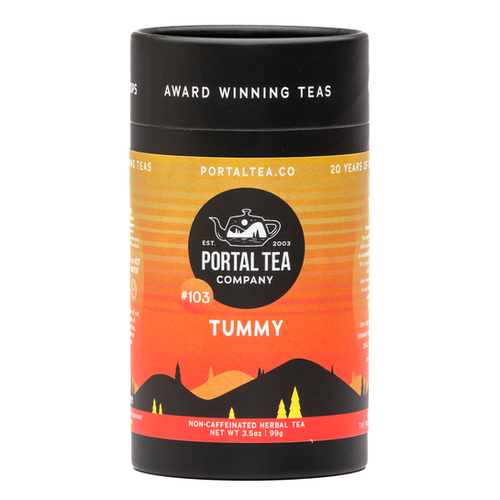
If you're looking for a budget-friendly option for daily consumption, traditional bags may be sufficient. But if you value flavor and are willing to spend a bit more, pyramid bags offer a better experience. For special occasions, consider Tummy Blend #103, which comes in a pyramid bag and provides a soothing, high-quality brew.
- Buy in bulk or subscribe to save on premium pyramid tea bags.
Environmental Impact
Traditional paper tea bags are often biodegradable, but some are sealed with plastic, which can be problematic. Pyramid bags made from nylon are not compostable, but many brands now offer PLA-based pyramids that are industrially compostable. Always check the packaging for disposal instructions.
To minimize waste, look for brands that use plastic-free materials. Portal Tea offers several pyramid options that are designed with sustainability in mind, such as Vanilla Macadamia Nut Maté #91, which uses a plant-based mesh.
- Look for the 'plastic-free' label on tea bag packaging.
Both pyramid and traditional tea bags have their merits. If you prioritize flavor and are willing to invest a little more, pyramid tea bags are a clear winner. For everyday convenience and cost savings, traditional bags remain a reliable choice. Ultimately, the best tea bag is the one that fits your taste and values.