Kaufberatung für Matetee: Worauf Sie achten sollten
By Home | Portal Tea | Tea Chai Lovers | United States | Published: 2026-08-29
Category: Kaufberatung
Erfahren Sie, worauf Sie beim Kauf von Matetee achten sollten – von der Blattqualität bis zum Geschmacksprofil – und finden Sie den besten Matetee für Ihren Geschmack.
Matetee, ein traditionelles südamerikanisches Getränk, hat aufgrund seines einzigartigen Geschmacks und seiner belebenden Eigenschaften weltweit an Beliebtheit gewonnen. Ob Sie bereits ein erfahrener Matetee-Trinker sind oder diesen Kräutertee zum ersten Mal probieren: Zu wissen, worauf Sie beim Kauf von Matetee achten sollten, kann den entscheidenden Unterschied für Ihr Genusserlebnis machen.
Dieser Kaufratgeber führt Sie durch die wichtigsten Faktoren, von der Art der Blätter bis zur Verarbeitungsmethode, damit Sie selbstbewusst einen Matetee wählen können, der Ihrem Geschmack und Ihren Bedürfnissen entspricht.
Verstehen Sie die Arten von Matetee
Matetee gibt es in verschiedenen Formen, die jeweils ein anderes Erlebnis bieten. Traditioneller Matetee, oft „Yerba Maté“ genannt, wird aus den Blättern und Stängeln der Pflanze Ilex paraguariensis hergestellt. Er hat ein kräftiges, erdiges Aroma mit einer leichten Bitterkeit. Einige Marken bieten „Suave“ oder „milden“ Matetee an, der länger gelagert wird, um die Bitterkeit zu reduzieren und einen milderen Geschmack zu erzielen.
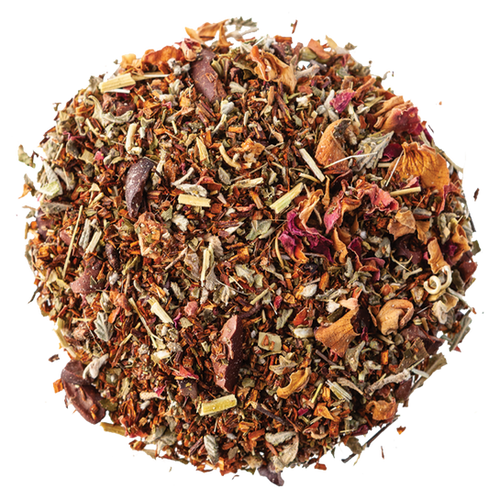
Eine andere Art ist „gerösteter Matetee“, der geröstet wird, um ein nussigeres, karamellähnlicheres Aroma hervorzubringen. Wenn Sie neu bei Matetee sind, bevorzugen Sie möglicherweise eine mildere Mischung. Der Hiker's Blend #98 zum Beispiel ist ein Bio-Kräutertee, der Matetee mit anderen Kräutern zu einer ausgewogenen, zugänglichen Tasse kombiniert. Wenn Sie diese Arten kennen, können Sie je nach Ihren Geschmackspräferenzen entscheiden, worauf Sie bei Matetee achten sollten.
- Traditioneller Matetee: kräftig und erdig, mit deutlicher Bitterkeit.
- Milder Matetee: länger gelagert, weniger bitter und zugänglicher.
- Gerösteter Matetee: geröstet für ein nussiges, süßes Aroma.
Prüfen Sie Blattqualität und -schnitt
Die Qualität der Blätter ist entscheidend, wenn Sie Matetee kaufen. Hochwertiger Matetee verwendet in der Regel ganze Blätter oder einen groben Schnitt, der die ätherischen Öle und Aromen bewahrt. Fein gemahlener Matetee, der oft in Teebeuteln verwendet wird, kann staubig werden und seine Komplexität verlieren. Achten Sie auf Matetee, der Stängel enthält, da diese zu einem ausgewogenen Geschmack und einem sanfteren Trinkgefühl beitragen.
Auch die Farbe ist ein Qualitätsindikator: Frischer Matetee sollte eine leuchtend grüne Farbe haben, während gealterte oder oxidierte Blätter gelblich oder bräunlich erscheinen. Achten Sie beim Einkauf auf die Produktfotos oder -beschreibungen. Ein Premium-Matetee gibt zum Beispiel oft den Schnitt und die Herkunft an. Wenn Sie unsicher sind, entscheiden Sie sich für eine seriöse Marke, die diese Details hervorhebt.
- Bevorzugen Sie ganze oder grob geschnittene Blätter gegenüber feinem Pulver.
- Achten Sie auf eine leuchtend grüne Farbe, die auf Frische hinweist.
- Stängel in der Mischung sind normal und tragen zum Geschmack bei.
Berücksichtigen Sie Herkunft und Verarbeitung
Matetee wird in mehreren südamerikanischen Ländern angebaut, jedes mit seinem eigenen Terroir. Brasilianischer Matetee ist oft milder und weniger bitter, während argentinischer Matetee tendenziell kräftiger und rauchiger ist. Paraguayische und uruguayische Sorten bieten ihre eigenen Nuancen. Die Kenntnis der Herkunft kann Ihnen helfen, das Geschmacksprofil vorherzusagen.
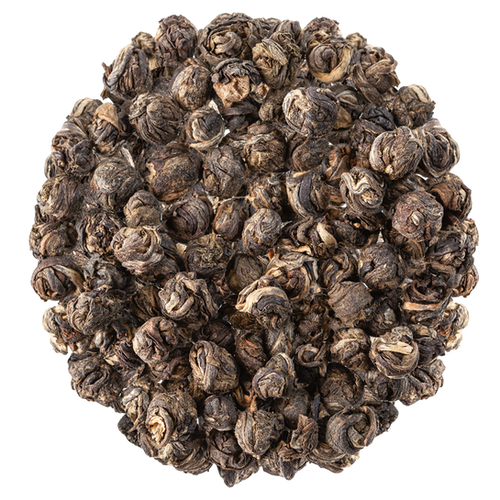
Auch die Verarbeitungsmethoden beeinflussen den Geschmack. Einiger Matetee wird beim Trocknen geräuchert, was ihm eine deutliche Rauchnote verleiht, während andere luftgetrocknet werden für ein klareres Aroma. Wenn Sie empfindlich auf Rauch reagieren, achten Sie auf „ungeräucherte“ oder „luftgetrocknete“ Optionen. Unser Dragon Pearl Jasmin #75, zwar kein Matetee, ist ein Beispiel für einen Tee, der die Bedeutung der Verarbeitung für den Geschmack unterstreicht – ähnliche Prinzipien gelten für Matetee.
- Brasilianischer Matetee: mild und sanft.
- Argentinischer Matetee: kräftig und rauchig.
- Achten Sie auf „ungeräuchert“, wenn Sie einen reineren Geschmack bevorzugen.
Bewerten Sie Geschmackszusätze und Mischungen
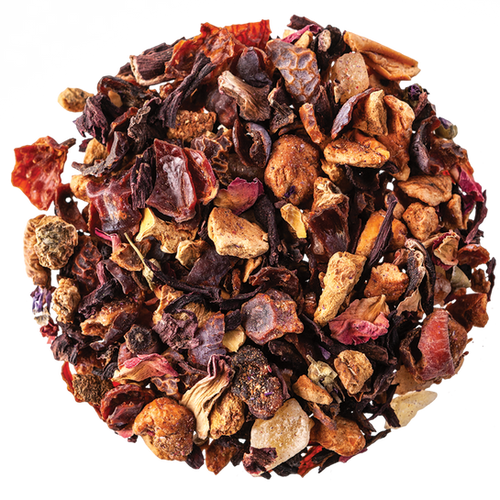
Während traditioneller Matetee pur genossen wird, kombinieren viele Mischungen Früchte, Kräuter oder Gewürze, um den Geschmack zu verbessern. Diese können ein großartiger Einstieg für Anfänger sein. Der Hiker's Blend #98 zum Beispiel kombiniert Matetee mit anderen Pflanzen und bietet eine erfrischende Abwechslung. Ähnlich zeigt der Papaya & Ananas #53, ein Früchtetee, der zwar kein Matetee ist, wie Fruchtzusätze ein tropisches Geschmacksprofil erzeugen können.
Prüfen Sie beim Kauf eines Matetee-Blends die Zutatenliste, um sicherzustellen, dass der Matetee die dominierende Komponente ist, wenn Sie den authentischen Geschmack wünschen. Überlegen Sie auch, ob Sie süße, würzige oder blumige Noten bevorzugen. Mischungen können die Bitterkeit von Matetee überdecken und sind daher ideal für alle, die das Getränk neu entdecken.
- Mischungen mit Früchten oder Kräutern können Ihnen den Einstieg in den Geschmack von Matetee erleichtern.
- Prüfen Sie die Reihenfolge der Zutaten, um zu sehen, wie viel Matetee enthalten ist.
- Wählen Sie eine Mischung, die zu Ihren bevorzugten Geschmacksnoten passt.
Bewerten Sie Koffeingehalt und Wirkung
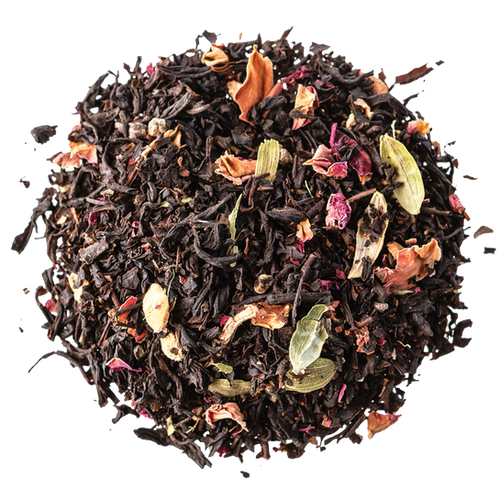
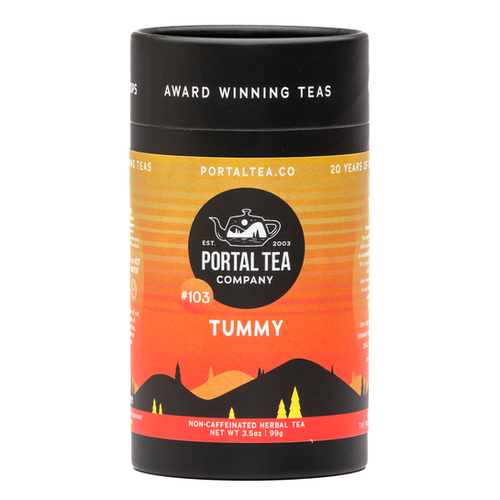
Matetee enthält Koffein, aber auch andere Verbindungen wie Theobromin, die einen sanfteren Energieschub im Vergleich zu Kaffee bieten können. Wenn Sie empfindlich auf Koffein reagieren, achten Sie auf koffeinfreien Matetee oder konsumieren Sie ihn in Maßen. Einige Mischungen wie der Tummy Blend #103, sind Kräutermischungen und koffeinfrei und bieten eine Alternative für alle, die das Ritual ohne das Stimulans genießen möchten.
Wenn Sie Matetee kaufen, berücksichtigen Sie Ihre Koffeintoleranz und die Tageszeit, zu der Sie ihn trinken möchten. Traditioneller Matetee wird oft morgens oder nachmittags genossen. Wenn Sie eine Option für den Abend suchen, könnte eine koffeinfreie Kräutermischung besser geeignet sein.
- Matetee enthält Koffein, aber der Energieschub ist oft sanfter als bei Kaffee.
- Achten Sie auf koffeinfreie Versionen, wenn Sie empfindlich reagieren.
- Kräutermischungen wie Tummy Blend #103 sind koffeinfrei.
Vergleichen Sie Verpackung und Frische
Frische ist der Schlüssel zu einer aromatischen Tasse. Matetee sollte in luftdichter, lichtundurchlässiger Verpackung aufbewahrt werden, um ihn vor Licht, Luft und Feuchtigkeit zu schützen. Loser Matetee wird oft in wiederverschließbaren Beuteln verkauft, die zur Erhaltung der Frische beitragen. Vermeiden Sie Großeinkäufe, wenn Sie ihn nicht schnell konsumieren, da er sonst an Wirksamkeit verlieren kann.
Prüfen Sie gegebenenfalls das Ernte- oder Verpackungsdatum. Frischerer Matetee hat ein intensiveres Aroma. Einige Marken, wie die, die den Space Dust Blend anbieten, legen Wert auf eine einzigartige Verpackung und Frische. Obwohl Space Dust kein Matetee ist, zeigt es das Engagement der Marke für hochwertige Verpackungen, was ein gutes Zeichen bei der Auswahl eines Matetee-Produkts ist.
- Achten Sie auf wiederverschließbare, lichtundurchlässige Verpackungen.
- Prüfen Sie auf ein Ernte- oder Verpackungsdatum.
- Kaufen Sie kleinere Mengen, um die Frische zu gewährleisten.
Lesen Sie Bewertungen und suchen Sie Empfehlungen
Eine der besten Möglichkeiten, um zu entscheiden, worauf Sie bei Matetee achten sollten, ist das Lesen von Bewertungen anderer Teeliebhaber. Achten Sie auf Feedback zu Geschmack, Aroma und allgemeiner Zufriedenheit. Bewertungen können auch auf Probleme mit Qualität oder Verpackung hinweisen. Auch unsere eigenen Produktbewertungen, wie die für Hiker's Blend #98, bieten Einblicke in Geschmack und Erlebnis.
Zögern Sie außerdem nicht, in Teegeschäften oder Online-Communities nach Empfehlungen zu fragen. Persönliche Erfahrungen können Sie zum besten Matetee für Ihre Vorlieben führen. Es ist auch eine kluge Strategie, kleine Proben zu probieren, bevor Sie sich für einen größeren Kauf entscheiden.
- Lesen Sie Kundenbewertungen, um Geschmack und Qualität einzuschätzen.
- Fragen Sie in Tee-Foren oder bei Freunden nach Empfehlungen.
- Probieren Sie kleine Mengen, bevor Sie in großen Mengen kaufen.
Der Kauf von Matetee muss nicht überwältigend sein. Wenn Sie Typ, Qualität, Herkunft, Geschmackszusätze, Koffeingehalt, Verpackung und Bewertungen berücksichtigen, können Sie einen Matetee finden, der zu Ihrem Geschmack und Lebensstil passt. Ob Sie sich für eine traditionelle Mischung oder eine kreative Fusion entscheiden, der richtige Matetee bietet ein befriedigendes und belebendes Erlebnis. Viel Spaß beim Aufbrühen!