Home | Portal Tea | Tea Chai Lovers | United States

フルーツティー vs ハーブティー:主な違いと利点
フルーツティー vs ハーブティー:主な違いと利点

By Home | Portal Tea | Tea Chai Lovers | United States | Published: 2026-08-29

Category: Comparisons

フルーツティーとハーブティーの違い、それぞれの魅力、そしてあなたの好みや健康目標に合ったブレンドの選び方をご紹介します。

When you're browsing the tea aisle, the sheer variety can be overwhelming. Among the most popular choices are fruit teas and herbal teas, but many people use the terms interchangeably. Understanding the difference between fruit and herbal tea can help you select the perfect cup for your mood, health goals, and taste preferences.

In this guide, we'll break down what sets these two categories apart, highlight their unique benefits, and offer practical advice on when to choose one over the other. Whether you're a seasoned tea lover or just starting your journey, this comparison will make your next tea purchase easier and more enjoyable.

What Is Fruit Tea?

Fruit tea is a type of herbal tea that is made primarily from dried fruits, such as berries, apples, citrus peels, and tropical fruits. Unlike true teas (which come from the Camellia sinensis plant), fruit teas are naturally caffeine-free and offer a vibrant, sweet, and tangy flavor profile. They can be enjoyed hot or iced, making them a refreshing choice year-round.

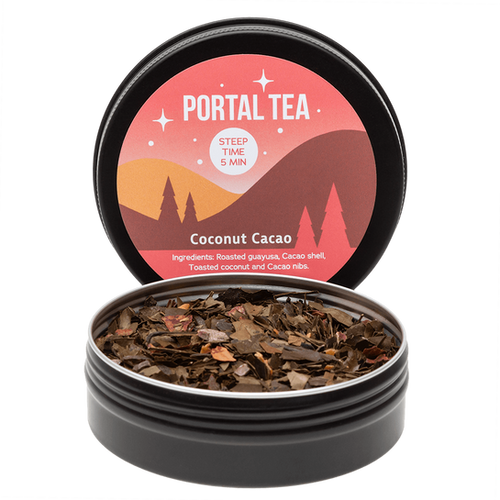
Fruit teas are often blended with other botanicals like hibiscus, rosehips, and spices to enhance their flavor and color. For example, the Ginger Peach - Pyramid Tea Bags #62 combines the warmth of ginger with the sweetness of peach, creating a soothing and aromatic cup. Similarly, the Coconut Cacao Guayusa #120 blends tropical coconut and cacao with guayusa, a caffeinated leaf from the Amazon, offering a unique twist on fruit tea.

Coconut Cacao Guayusa #120
  • Fruit teas are naturally caffeine-free unless blended with caffeinated ingredients like guayusa or yerba maté.

What Is Herbal Tea?

Herbal tea, also known as tisane, is an infusion made from a variety of plant materials, including leaves, flowers, seeds, roots, and spices. Like fruit tea, herbal teas are typically caffeine-free and do not contain leaves from the traditional tea plant. This category encompasses a wide range of flavors, from minty and floral to earthy and spicy.

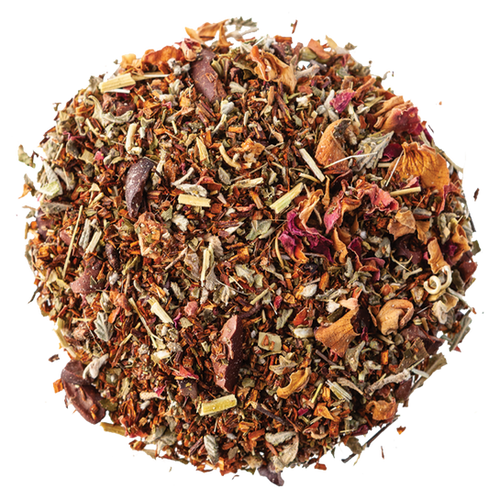
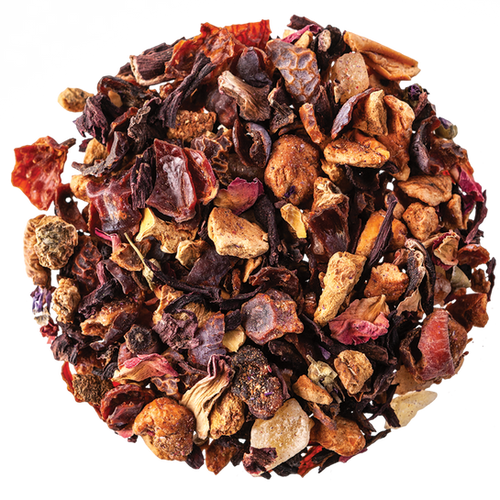
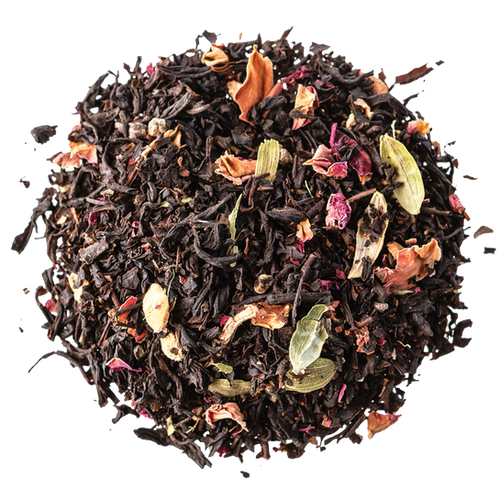
Herbal teas are often chosen for their potential health benefits. For instance, the Tummy Blend #103 is crafted with herbs traditionally used to support digestion, while the Love Blend #94 combines rose and other botanicals to create a comforting, aromatic brew. The Vanilla Rose Chai #69 blends vanilla and rose with traditional chai spices, offering a creamy, floral experience.

  • Herbal teas can be made from a single ingredient, like peppermint or chamomile, or complex blends of many botanicals.

Key Differences Between Fruit and Herbal Tea

The primary difference between fruit and herbal tea lies in their base ingredients. Fruit tea is specifically made with dried fruits, often combined with other botanicals, while herbal tea can include any plant part, including fruits but also leaves, roots, and spices. This distinction affects flavor, aroma, and potential health benefits.

Fruit teas tend to be sweeter and more tart, with a bright, juicy flavor that appeals to those who enjoy fruity beverages. Herbal teas, on the other hand, offer a broader spectrum of flavors, ranging from refreshing mint to earthy rooibos. Both are naturally caffeine-free, making them excellent choices for evening relaxation or for those avoiding caffeine.

  • Fruit tea is a subcategory of herbal tea, but not all herbal teas are fruit teas.

Health Benefits of Fruit Tea

Fruit teas are rich in antioxidants, particularly vitamin C and polyphenols, which help protect the body against oxidative stress. The hibiscus often found in fruit teas has been studied for its potential to support heart health and blood pressure regulation. Additionally, fruit teas are naturally hydrating and can be a flavorful way to increase your daily fluid intake.

For those watching their sugar intake, fruit teas offer a sweet taste without added sugars, making them a healthier alternative to sugary drinks. The Ginger Peach - Pyramid Tea Bags #62, for example, provides a naturally sweet and spicy flavor that satisfies cravings without guilt. Similarly, the Coconut Cacao Guayusa #120 offers a hint of natural sweetness from coconut, along with the energizing effects of guayusa.

  • Look for fruit teas with no added sweeteners to maximize health benefits.

Health Benefits of Herbal Tea

Herbal teas have been used for centuries in traditional medicine to support various aspects of health. Chamomile is known for its calming properties, peppermint aids digestion, and ginger can help with nausea. The Tummy Blend #103 is specifically designed to soothe the stomach, making it a great after-meal beverage.

Many herbal teas are also rich in antioxidants and anti-inflammatory compounds. The Vanilla Rose Chai #69 combines the potential benefits of chai spices like cinnamon and cardamom with the soothing properties of rose. The Love Blend #94, with its blend of rose and other herbs, offers a comforting and uplifting cup that can be enjoyed any time of day.

  • Choose herbal teas based on the specific benefits you're seeking, such as relaxation, digestion, or immune support.

How to Choose Between Fruit and Herbal Tea

When deciding between fruit and herbal tea, consider your flavor preferences and wellness goals. If you crave something sweet, tangy, and refreshing, a fruit tea like the Ginger Peach - Pyramid Tea Bags #62 or the Coconut Cacao Guayusa #120 might be perfect. If you're looking for a calming evening ritual or digestive support, an herbal blend like the Tummy Blend #103 or the Vanilla Rose Chai #69 could be more suitable.

Also, think about the time of day. Fruit teas are excellent for iced beverages on a hot afternoon, while herbal teas are often enjoyed hot before bed. Don't be afraid to experiment—many tea lovers enjoy both categories depending on their mood and needs.

  • Read the ingredient list to understand what's in your tea and ensure it aligns with your dietary needs and preferences.

Understanding the difference between fruit and herbal tea allows you to make informed choices that align with your taste and lifestyle. Both offer unique flavors and health benefits, and there's no wrong choice—only the right cup for the moment. Explore Portal Tea's diverse selection to find your new favorite blend today.

Shop Related Products

Love Blend #94

Love Blend #94

$3.00 $6.00

Shop Now
Tummy Blend #103

Tummy Blend #103

$8.50 $17.00

Shop Now
Papaya & Pineapple #53

Papaya & Pineapple #53

$3.62 $7.25

Shop Now
Vanilla Rose Chai #69

Vanilla Rose Chai #69

$2.82 $5.65

Shop Now