차 우려내기 실수 피하기: 더 나은 한 잔을 위한 팁
By Home | Portal Tea | Tea Chai Lovers | United States | Published: 2026-08-29
Category: 팁 및 관리
차를 우릴 때 흔히 저지르는 실수와 이를 해결하는 방법을 배워 매번 더 맛있는 차를 즐겨보세요. 물 온도부터 우림 시간까지, 이 팁들이 당신의 차를 한 단계 업그레이드해 줄 것입니다.
완벽한 차 한 잔을 우리는 것은 예술이자 과학입니다. 많은 차 애호가들이 무심코 저지르는 실수로 인해 쓴맛이 나거나, 연하거나, 맛없는 차를 마시게 됩니다. 초보자든 오랜 경험을 가진 애호가든, 이러한 흔한 실수를 이해하면 차를 즐기는 경험이 완전히 달라질 수 있습니다.
이 가이드에서는 가장 흔한 차 우리기 실수와 이를 피하는 방법을 소개합니다. 물 온도부터 우림 시간까지, 이 실용적인 팁을 통해 좋아하는 찻잎의 잠재력을 최대한 끌어낼 수 있습니다.
너무 뜨겁거나 너무 차가운 물 사용하기
가장 큰 차 우리기 실수 중 하나는 잘못된 온도의 물을 사용하는 것입니다. 끓는 물은 섬세한 녹차나 백차를 데쳐서 쓴맛과 떫은맛이 나는 차를 만들 수 있습니다. 반대로 물이 충분히 뜨겁지 않으면 향이 제대로 우러나지 않아 차가 연하고 싱거워집니다.
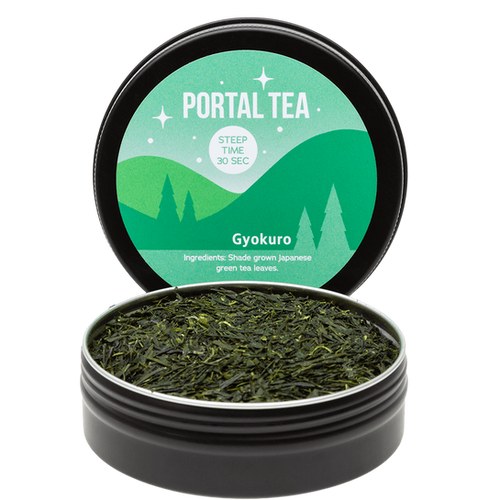
차 종류에 따라 적절한 온도가 다릅니다. 예를 들어, Gyokuro #23, 섬세한 일본 녹차는 달콤하고 감칠맛 나는 풍미를 유지하기 위해 약 160°F(70°C)에서 우려야 합니다. 홍차나 Hiker's Blend #98 같은 허브 블렌드는 212°F(100°C)의 완전한 끓는 물로 우려도 좋습니다. 온도 조절이 되는 주전자가 없다면, 섬세한 차에 물을 붓기 전에 끓인 물을 몇 분간 식히세요.
- 정밀한 온도 조절이 가능한 주전자를 투자하세요.
- 주전자에 온도 설정이 없다면 온도계를 사용하세요.
차를 너무 오래 또는 너무 짧게 우리기
우림 시간도 또 다른 중요한 요소입니다. 너무 오래 우리면 탄닌이 과도하게 추출되어 차가 쓰고 떫어질 수 있습니다. 너무 짧게 우리면 차가 연하고 풍미가 부족해집니다. 이상적인 시간은 차 종류에 따라 다릅니다. 녹차는 보통 2-3분이면 충분하고, 홍차와 허브 티는 4-5분 이상 우릴 수 있습니다.
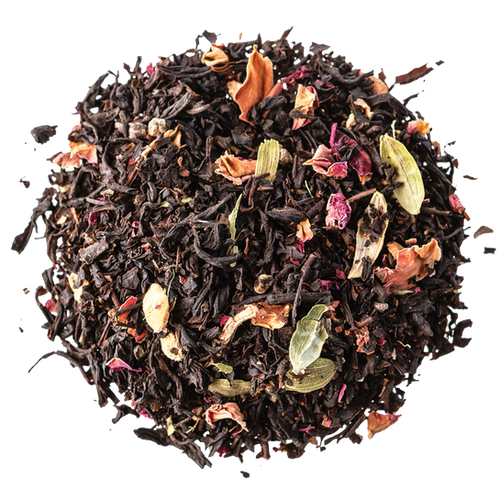
예를 들어, Coconut Chai #50, 향신료가 들어간 홍차는 계피, 카다멈, 코코넛의 진한 풍미를 완전히 추출하기 위해 4-5분간 우리는 것이 좋습니다. 반면에 섬세한 Vanilla Rose Chai #69 는 너무 오래 우리면 향이 지나치게 강해질 수 있습니다. 항상 포장의 설명을 확인하고 취향에 맞게 조절하세요.
- 타이머를 사용해 감으로 때를 맞추지 마세요.
- 차를 우리는 동안 중간중간 맛을 보며 완벽한 우림 시간을 찾아보세요.
품질이 낮은 물 사용하기
물은 차의 98% 이상을 차지하므로 물의 품질이 매우 중요합니다. 미네랄 함량이 높거나 염소가 포함된 수돗물은 차의 맛을 해칠 수 있습니다. 여과수나 생수를 사용하면 차의 맛이 크게 개선될 수 있습니다.
맛이 밋밋할 수 있는 증류수는 피하고, 물을 여러 번 다시 끓이지 마세요. 산소가 줄어들어 맛에 영향을 줍니다. 적절한 온도의 신선한 여과수가 훌륭한 차 한 잔의 기본입니다.
- 수돗물을 여과하거나 생수를 사용하세요.
- 매번 우리 때마다 항상 신선한 냉수로 시작하세요.
잘못된 차와 물의 비율 사용하기
찻잎을 너무 많이 넣으면 차가 너무 진하고 써질 수 있고, 너무 적게 넣으면 연하고 맛없는 차가 됩니다. 일반적인 기준은 물 8온스(약 240ml)당 잎차 1티스푼이지만, 차 종류와 개인 취향에 따라 다릅니다.
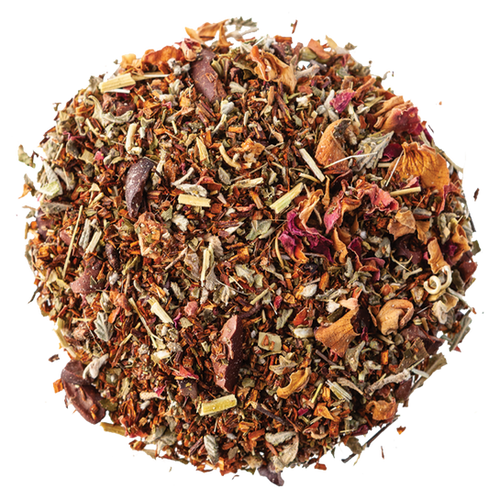
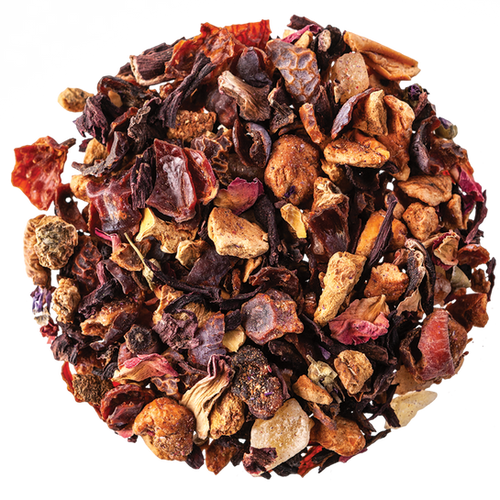
예를 들어, Coconut Cacao Guayusa #120 같은 밀도가 높은 블렌드는 찻잎을 약간 적게 넣어야 할 수 있고, Tummy Blend #103 같은 가벼운 허브 블렌드는 더 많이 넣어야 할 수 있습니다. 취향에 맞는 비율을 찾기 위해 실험해 보세요.
- 권장 비율로 시작해서 점차 조절하세요.
- 일관성을 위해 주방 저울을 사용하세요.
찻잎의 품질을 무시하기
완벽한 우리기 기술이 있어도 품질이 낮은 찻잎으로는 평범한 차밖에 만들 수 없습니다. 신뢰할 수 있는 곳에서 고품질의 신선한 잎차를 구입하세요. 오래된 차는 향과 맛을 잃으므로, 찻잎을 밀폐 용기에 담아 빛, 열, 습기를 피해 보관하세요.
Portal Tea에서는 Vanilla Macadamia Nut Maté #91과 Love Blend #94 같은 프리미엄 블렌드를 제공하며, 뛰어난 풍미를 선사하기 위해 정성껏 만들었습니다. 좋은 찻잎을 선택하는 것이 더 나은 차 한 잔의 첫걸음입니다.
- 신선도를 위해 차를 소량으로 구매하세요.
- 포장에 표시된 수확 날짜를 확인하세요.
찻주전자나 컵을 데우지 않기
차가운 찻주전자나 머그잔은 물의 온도를 너무 빨리 낮춰 추출에 영향을 줄 수 있습니다. 뜨거운 물로 용기를 데우면 특히 정확한 온도가 필요한 섬세한 차의 경우 일정한 우리기 온도를 유지할 수 있습니다.
찻주전자나 컵에 뜨거운 물을 돌려 데운 후 버리고 찻잎을 넣으세요. 이 작은 단계가 맛에 눈에 띄는 차이를 만들 수 있습니다.
- 우리기 전에 찻주전자와 컵을 데우세요.
- 우리는 동안 열을 유지하기 위해 티코지나 뚜껑을 사용하세요.
이러한 흔한 차 우리기 실수를 피하면 일상의 차 한 잔이 평범함에서 특별함으로 바뀔 것입니다. 물 온도, 우림 시간, 물의 품질, 차와 물의 비율, 찻잎의 품질에 주의를 기울이면 매번 더 풍미 있고 만족스러운 차를 즐길 수 있습니다. 연습이 완벽을 만든다는 것을 기억하세요. 자신에게 가장 잘 맞는 방법을 찾기 위해 실험하는 것을 두려워하지 마세요.