Herbata z kofeiną czy bez: jak wybrać?
By Home | Portal Tea | Tea Chai Lovers | United States | Published: 2026-08-29
Category: Porównania
Poznaj zawartość kofeiny w herbacie i dowiedz się, jak wybrać między opcjami z kofeiną a bezkofeinowymi, kierując się swoimi potrzebami, preferencjami smakowymi i stylem życia.
Dla wielu miłośników herbaty wybór między herbatą z kofeiną a bezkofeinową to coś więcej niż tylko poranny rytuał. Wpływa na energię, sen, a nawet trawienie. Niezależnie od tego, czy jesteś wrażliwy na kofeinę, jesteś w ciąży, czy po prostu chcesz wypić kojącą filiżankę przed snem, zrozumienie różnic może pomóc Ci dokonać właściwego wyboru.
W tym przewodniku wyjaśnimy, ile kofeiny faktycznie zawiera herbata, jak działa dekafeinacja i jak wybrać między herbatą z kofeiną a bezkofeinową. Przedstawimy również kilka popularnych mieszanek od Portal Tea, aby pomóc Ci znaleźć idealną filiżankę.
Ile kofeiny jest w herbacie?
Zawartość kofeiny w herbacie jest bardzo zróżnicowana w zależności od rodzaju, liści i czasu parzenia. Średnio filiżanka czarnej herbaty (240 ml) zawiera około 40-70 mg kofeiny, podczas gdy zielona herbata ma około 20-45 mg. Biała herbata i napary ziołowe mają zwykle jeszcze mniej lub wcale. Dla porównania, standardowa filiżanka kawy zawiera około 95 mg.
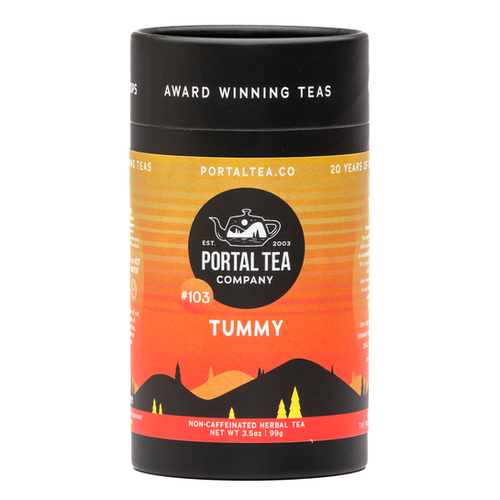
Jeśli szukasz umiarkowanego zastrzyku energii, herbaty takie jak Gyokuro #23, japońska zielona herbata, oferują delikatny zastrzyk energii bez niepokoju. Z drugiej strony, jeśli chcesz całkowicie uniknąć kofeiny, herbaty ziołowe takie jak Hangover Blend #99 lub Tummy Blend #103 są naturalnie bezkofeinowe i można się nimi cieszyć o każdej porze dnia.
- Czarna herbata: 40-70 mg na filiżankę
- Zielona herbata: 20-45 mg na filiżankę
- Biała herbata: 10-25 mg na filiżankę
- Herbata ziołowa: 0 mg
Jak deca-feinowana jest herbata?
Herbata bezkofeinowa to nie to samo co naturalnie bezkofeinowa herbata ziołowa. Herbata bezkofeinowa powstaje z regularnych liści herbaty, które przechodzą proces usuwania większości kofeiny. Typowe metody obejmują użycie dwutlenku węgla, octanu etylu lub obróbkę wodą. Metody te mogą usunąć część smaku i przeciwutleniaczy, dlatego herbata bezkofeinowa może smakować nieco inaczej niż jej kofeinowy odpowiednik.
Wybierając herbatę bezkofeinową, szukaj wysokiej jakości marek, które stosują delikatne procesy, aby zachować smak. Na przykład, jeśli kochasz smak czarnej herbaty, ale chcesz mniej kofeiny, możesz spróbować bezkofeinowej wersji klasycznej mieszanki. Portal Tea oferuje różnorodne herbaty, a chociaż nie wszystkie są bezkofeinowe, zawsze możesz zapytać o ich opcje bezkofeinowe lub wybrać naturalnie bezkofeinowe mieszanki.
- Metoda CO2: wykorzystuje sprężony dwutlenek węgla do ekstrakcji kofeiny, zachowując smak
- Metoda octanu etylu: proces chemiczny, który może wpływać na smak
- Obróbka wodą: wykorzystuje wodę do usuwania kofeiny, ale może również usunąć niektóre związki smakowe
Kofeina czy bezkofeina: którą wybrać?
Wybór między herbatą z kofeiną a bezkofeinową zależy od Twojego stylu życia i potrzeb zdrowotnych. Jeśli potrzebujesz porannego zastrzyku energii lub popołudniowego skupienia, herbaty zawierające kofeinę, takie jak Vanilla Macadamia Nut Maté #91 lub Coconut Cacao Guayusa #120 są doskonałymi opcjami. Maté i guayusa są naturalnie bogate w kofeinę i zapewniają płynny, długotrwały zastrzyk energii.
Z drugiej strony, jeśli jesteś wrażliwy na kofeinę, jesteś w ciąży lub chcesz cieszyć się herbatą wieczorem, bezkofeinowe lub naturalnie bezkofeinowe herbaty ziołowe są właściwym wyborem. Mieszanki takie jak Papaya & Pineapple #53 lub Ginger Peach - Pyramid Tea Bags #62 oferują pyszne owocowe smaki bez stymulantów. Są idealne do relaksu po kolacji lub jako uspokajający wieczorny rytuał.
- Wybierz herbatę z kofeiną dla energii i skupienia
- Wybierz herbatę bezkofeinową lub ziołową dla relaksu i wieczornego spokoju
- Weź pod uwagę swoją wrażliwość na kofeinę i ewentualne problemy zdrowotne
Wskazówki, jak zmniejszyć kofeinę w herbacie
Jeśli lubisz smak herbaty z kofeiną, ale chcesz zmniejszyć jej spożycie, możesz wypróbować kilka trików. Krótsze parzenie herbaty zmniejsza ekstrakcję kofeiny. Na przykład 1-minutowe parzenie zielonej herbaty daje mniej kofeiny niż 3-minutowe. Możesz również wylać pierwszy napar i użyć drugiego, ponieważ pierwszy zawiera najwięcej kofeiny.
Inną opcją jest mieszanie herbaty z kofeiną i herbat ziołowych. Na przykład połącz niewielką ilość Dragon Pearl Jasmine #75 z bezkofeinową herbatą kwiatową, aby stworzyć własną mieszankę z mniejszą ilością kofeiny. W ten sposób nadal możesz cieszyć się złożonym smakiem jaśminu bez przesady.
- Parz krócej, aby zmniejszyć kofeinę
- Użyj drugiego naparu, a pierwszy wylej
- Mieszaj herbatę z kofeiną z herbatą ziołową
Wybór między herbatą z kofeiną a bezkofeinową nie musi być skomplikowany. Weź pod uwagę swoją wrażliwość na kofeinę, porę dnia i preferencje smakowe. Niezależnie od tego, czy sięgniesz po wysokobiałkową maté, czy kojącą herbatę ziołową, Portal Tea ma coś dla każdego miłośnika herbaty. Przeglądaj naszą kolekcję i znajdź swoją idealną filiżankę już dziś.