Como Criar as Suas Próprias Misturas de Chá em Casa
By Home | Portal Tea | Tea Chai Lovers | United States | Published: 2026-08-29
Category: Guias Práticos
Aprenda a arte de criar as suas próprias misturas de chá com o nosso guia passo a passo. Descubra chás de base, combinações de sabores e dicas para criar a sua mistura personalizada em casa.
Já alguma vez se perguntou como é que as empresas de chá criam aquelas misturas deliciosas como Coconut Cacao Guayusa #120 ou Vanilla Rose Chai #69? O segredo é que pode fazê-lo você mesmo em casa. Criar as suas próprias misturas de chá não é apenas divertido, mas também permite adaptar os sabores ao seu gosto exato. Quer seja um apreciador de chá experiente ou esteja apenas a começar, este guia vai acompanhá-lo pelos princípios básicos da criação das suas próprias misturas de chá.
Misturar chá é como cozinhar: começa com uma base, adiciona sabores complementares e ajusta ao seu gosto. Com algumas ferramentas simples e um pouco de criatividade, pode preparar uma chávena que é verdadeiramente sua. Além disso, é uma ótima forma de aproveitar pequenas quantidades de chá que já tem em casa e evitar o desperdício.
Compreender as Bases de Chá
O primeiro passo para criar a sua própria mistura de chá é escolher um chá de base. Esta é a fundação que vai suportar os outros sabores. As bases comuns incluem chás pretos, verdes, oolong e brancos. Por exemplo, se está a preparar uma mistura para a manhã, um chá preto robusto como um Ceilão ou Assam funciona bem. Para uma mistura mais leve e delicada, considere um chá verde como Gyokuro #23, que tem uma nota doce e vegetal.
Os chás de ervas, que tecnicamente são tisanas, também podem servir de base. Estes não contêm cafeína e têm frequentemente sabores frutados ou florais. Por exemplo, o Hiker's Blend #98 é um chá de ervas com uma mistura de bagas e especiarias, sendo uma excelente base para uma mistura de outono aconchegante. Ao escolher uma base, pense no corpo e na intensidade de sabor que deseja na chávena final.
- Comece com um chá de base de alta qualidade que aprecie por si só.
- Considere o nível de cafeína: os chás preto e verde contêm cafeína, enquanto os chás de ervas não.
- Experimente diferentes bases para encontrar a que melhor complementa os sabores escolhidos.
Escolher Sabores Complementares
Depois de ter a base, é altura de adicionar sabores complementares. Estes podem ser outros chás, frutos secos, flores, especiarias ou até ervas. A chave é equilibrar os sabores para que nenhum ingrediente se sobreponha aos outros. Para uma mistura doce e floral, pode combinar uma base de chá verde com pétalas de rosa secas e baunilha, semelhante ao Vanilla Rose Chai #69, mas com o seu próprio toque.
Ao misturar, comece com pequenas quantidades e vá provando. Uma proporção comum é 70% de chá de base e 30% de aromatizantes. No entanto, isto pode variar dependendo da intensidade dos sabores. Por exemplo, se estiver a usar uma especiaria forte como canela, pode usar menos. Se estiver a adicionar um sabor suave como camomila, pode usar mais. O objetivo é criar uma chávena harmoniosa que realce o melhor de cada ingrediente.
- Use uma balança digital para medir os ingredientes e garantir consistência.
- Mantenha um diário das suas misturas e respetivas proporções para poder recriar as suas favoritas.
- Experimente combinar sabores complementares como chocolate e menta ou citrinos e gengibre.
Processo de Mistura Passo a Passo
Agora que tem a base e os aromatizantes, é altura de misturar. Comece por misturar o chá de base e os aromatizantes numa tigela grande. Use as mãos ou uma colher para misturar suavemente os ingredientes, garantindo que estão distribuídos uniformemente. Se estiver a adicionar pedaços maiores como frutos secos, pode querer parti-los em pedaços mais pequenos para que se misturem de forma mais uniforme.
Depois de misturar, deixe a mistura repousar durante alguns dias num recipiente hermético. Isto permite que os sabores se fundam e suavizem. Em seguida, prepare uma chávena de teste para provar. Ajuste a proporção se necessário. Lembre-se, misturar é um processo iterativo. Não tenha medo de ajustar a sua receita até ficar perfeita. Quando estiver satisfeito, guarde a sua mistura personalizada num local fresco e escuro e desfrute.
- Use uma tigela e utensílios limpos e secos para evitar a introdução de humidade.
- Guarde a sua mistura num frasco de vidro hermético, longe da luz e do calor.
- Etiquete a sua mistura com a data e os ingredientes para referência futura.
Ideias Criativas de Misturas para Experimentar
Se procura inspiração, considere estas ideias. Para um toque tropical, combine Papaya & Pineapple #53 com um toque de coco e uma pitada de gengibre. Ou, para uma mistura calmante para a noite, misture Night Bloom Jasmine #26 com camomila e alfazema. As possibilidades são infinitas.
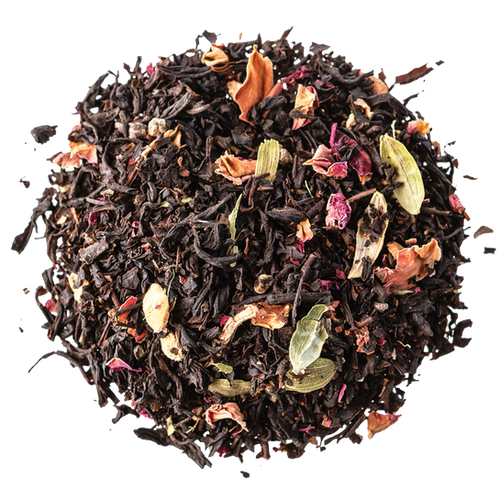
Outra ideia é criar uma mistura de chai com especiarias usando uma base de chá preto, cardamomo, canela, cravinho e um toque de baunilha. Pode até adicionar um pouco de casca de laranja seca para uma nota cítrica. Se se sente aventureiro, experimente misturar um maté como Vanilla Macadamia Nut Maté #91 com outras ervas para um impulso de energia único.
- Não tenha medo de experimentar combinações invulgares.
- Faça primeiro um lote pequeno para testar uma nova mistura antes de preparar uma quantidade maior.
- Considere sabores sazonais: misturas refrescantes para o verão, especiarias aconchegantes para o inverno.
Criar as suas próprias misturas de chá é um processo gratificante e criativo. Com a base certa, sabores complementares e um pouco de experimentação, pode preparar uma chávena que é verdadeiramente sua. Por isso, reúna os seus chás favoritos, seja criativo e comece a misturar o seu caminho para a chávena de chá perfeita.