如何讓陳舊茶葉煥然一新:秘訣與技巧
By Home | Portal Tea | Tea Chai Lovers | United States | Published: 2026-08-29
Category: Tips & Care
了解讓陳舊茶葉重獲新生的實用方法,從正確儲存到快速修復,以及何時該汰換它們。
Ever opened a tin of your favorite tea only to find the leaves have lost their aroma and flavor? Stale tea is a common letdown, but before you toss it out, know that you might be able to bring it back to life. In this guide, we'll share practical tips to revive stale tea leaves and keep your stash fresh longer.
Whether you're dealing with loose leaf or pyramid tea bags, understanding why tea goes stale is the first step. Exposure to air, light, moisture, and strong odors all take a toll. With a few simple tricks, you can often restore some of that lost freshness and enjoy a satisfying cup again.
Why Tea Goes Stale
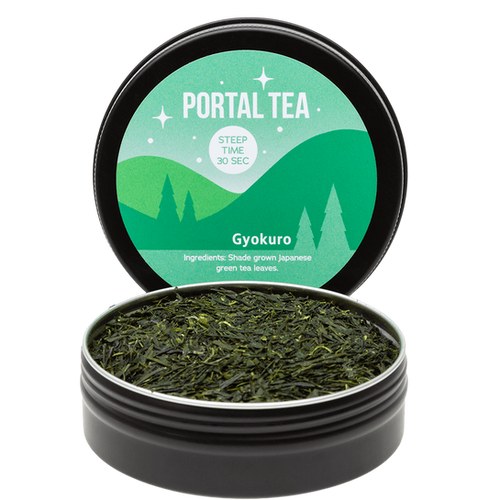
Tea leaves are hygroscopic, meaning they absorb moisture and odors from the environment. Over time, exposure to air causes oxidation, which dulls the vibrant flavors and aromas. Even high-quality teas like Dragon Pearl Jasmine #75 or Gyokuro #23 can lose their magic if not stored properly.

The main culprits are oxygen, light, heat, and humidity. Oxygen triggers chemical changes, light breaks down delicate compounds, and heat accelerates degradation. Moisture can lead to mold, making the tea unsafe to drink. Understanding these factors helps you prevent staleness in the first place.
- Store tea in an airtight container away from light, heat, and moisture.
- Keep tea away from strong spices or coffee to avoid odor absorption.
- Use tea within 6-12 months for optimal freshness.
Quick Fixes to Revive Stale Tea
If your tea has gone slightly stale, there are a few tricks to try. One method is to gently warm the leaves in a dry pan over low heat for a minute or two. This can help release some volatile oils and revive the aroma. Be careful not to overheat, as that can cook the leaves.
Another technique is to refresh the leaves by storing them with a slice of bread or an apple peel for a day. The tea will absorb moisture from these items, which can help restore some plumpness. However, this is a temporary fix and works best for teas that are only mildly stale.
- Warm leaves in a dry pan on low heat for 1-2 minutes.
- Store with a slice of bread or apple peel for a day to add moisture.
- Use revived tea quickly, as it won't last long.
When to Say Goodbye
Not all stale tea can be saved. If the tea has a musty smell, shows signs of mold, or tastes flat even after revival attempts, it's time to replace it. Drinking stale tea isn't harmful, but it won't provide the enjoyable experience you're looking for.
Instead of forcing a bad cup, consider repurposing stale leaves: use them as a natural deodorizer, add them to your garden compost, or create a soothing bath soak. That way, you still get some use out of them.
- If tea smells musty or shows mold, discard it.
- Use stale tea leaves as a deodorizer or in compost.
- Invest in fresh, high-quality tea like Hiker's Blend #98 for a reliable brew.
Prevention: Proper Tea Storage Tricks
The best way to deal with stale tea is to prevent it. Store your tea in an airtight container, preferably made of opaque ceramic, metal, or dark glass. Keep it in a cool, dark place like a pantry or cupboard, away from the stove or dishwasher.
For long-term storage, consider vacuum-sealing or using a dedicated tea tin. If you buy in bulk, divide into smaller portions to minimize air exposure. Remember, tea is best enjoyed fresh, so buy only what you'll consume in a few months.
- Use opaque, airtight containers to block light and air.
- Store in a cool, dark place; avoid the kitchen counter near heat.
- Buy smaller quantities to ensure freshness.
Reviving stale tea leaves is possible with a few simple tricks, but prevention is always better than cure. By storing your tea properly and using it within a reasonable timeframe, you'll enjoy every cup at its peak. And when in doubt, treat yourself to a fresh batch—your taste buds will thank you.