How to Store Loose Leaf Tea to Keep It Fresh
By Home | Portal Tea | Tea Chai Lovers | United States | Published: 2026-08-29
Category: How-to Guides
Learn the best ways to store loose leaf tea to preserve its flavor and aroma. Discover ideal containers, conditions, and common mistakes to avoid.
Loose leaf tea is a delight for the senses, offering complex flavors and aromas that bagged tea often lacks. But to truly enjoy that experience, you need to keep your tea fresh. Improper storage can lead to stale, dull cups that lose the very qualities you love.
Whether you're a casual sipper or a dedicated enthusiast, understanding how to store loose leaf tea is essential. With the right containers and a few simple habits, you can extend the life of your teas and ensure every brew is as vibrant as the first.
Why Tea Freshness Matters
Tea leaves are hygroscopic, meaning they readily absorb moisture and odors from their surroundings. Exposure to air, light, heat, and humidity can cause oxidation and degradation of the essential oils that give tea its distinctive character. Over time, this leads to a loss of flavor, aroma, and even beneficial compounds.
Different types of tea have varying shelf lives. Green teas like Gyokuro #23 are more delicate and best consumed within six months, while fully oxidized black teas and herbal blends can last up to two years. Regardless of type, proper storage is key to maximizing freshness and enjoying your tea at its best.
- Keep tea away from strong odors like spices or coffee.
- Store tea in a cool, dark place, not above the stove or near a window.
Choosing the Right Container
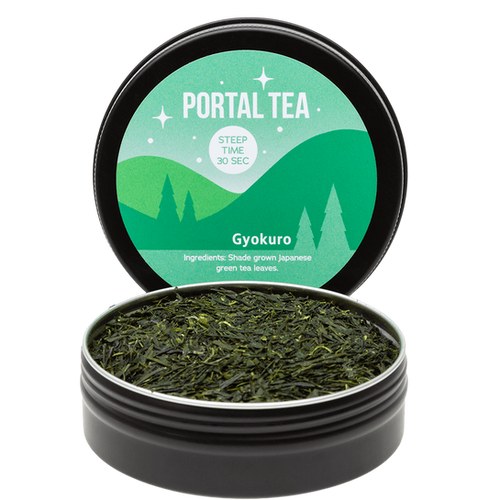
The ideal container for loose leaf tea is airtight, opaque, and made of a non-reactive material. Tin, ceramic, and dark glass are excellent choices because they block light and don't impart flavors. Avoid clear glass jars unless they're kept in a dark cupboard, as light can degrade tea quickly.
If you purchase teas like Dragon Pearl Jasmine #75 or Vanilla Rose Chai #69, they often come in resealable pouches. While these are fine for short-term use, transferring to a dedicated tea tin or canister is better for long-term storage. Ensure the container is completely dry before adding tea to prevent moisture damage.
- Use airtight containers with a tight seal, such as those with rubber gaskets.
- For daily use, keep a small amount in a separate caddy to avoid repeatedly opening the main storage.
Storage Conditions: Light, Temperature, and Humidity
Light, temperature, and humidity are the three enemies of tea freshness. Store your tea in a cool, dark place, ideally between 60-75°F (15-24°C). Avoid areas with high humidity, like above the dishwasher or near a kettle, as moisture can lead to mold and off-flavors.
A pantry or a dedicated cabinet away from heat sources is ideal. If you live in a humid climate, consider using a desiccant pack (like silica gel) inside your tea container, but make sure it's food-safe and doesn't come into direct contact with the leaves. Avoid refrigerating tea unless absolutely necessary, as it can introduce moisture and absorb other odors.
- Never store tea in the refrigerator; it can cause condensation and odor absorption.
- If you buy in bulk, divide into smaller portions to minimize air exposure.
How to Store Different Types of Tea
Different teas have different storage needs. Green and white teas are the most delicate and should be consumed within six months. Oolong and black teas can last up to a year or two. Herbal teas, like Hiker's Blend #98 or Papaya & Pineapple #53, are often more forgiving but still benefit from proper storage.
Flavored teas, such as Ginger Peach - Pyramid Tea Bags #62, can be more prone to losing their added flavors. Store them in airtight containers away from other teas to prevent flavor transfer. Always label your containers with the tea name and purchase date to keep track of freshness.
- For long-term storage, consider vacuum-sealing tea in small batches.
- Whole leaf teas generally last longer than broken leaf or fannings.
Common Storage Mistakes to Avoid
One of the most common mistakes is storing tea in a clear container on the counter. While pretty, it exposes the tea to light, which accelerates degradation. Another is using a container that isn't fully airtight, allowing air to enter and stale the tea.
Also, avoid using a wet spoon to scoop tea, as this introduces moisture. And don't store tea near spices or strong-smelling foods, as tea easily absorbs odors. By avoiding these pitfalls, you can ensure your tea stays fresh and flavorful for as long as possible.
- Keep tea away from the stove, oven, and other heat sources.
- Use a dry, clean scoop every time you handle loose leaf tea.
Proper storage is the key to enjoying your loose leaf tea at its best. By choosing the right container, controlling light, temperature, and humidity, and avoiding common mistakes, you can keep your tea fresh and flavorful for months to come. So invest in a good tea tin, find a cool, dark spot, and savor every sip.