茉莉花茶與綠茶的差異:有何不同?
By Home | Portal Tea | Tea Chai Lovers | United States | Published: 2026-08-29
Category: Comparisons
茉莉花茶與綠茶基底相同,但在風味、香氣和咖啡因含量上有所不同。了解如何為您的下一杯茶做出選擇。
If you're new to tea, you might wonder: is jasmine tea just green tea with flowers? The short answer is yes—most jasmine teas are made from green tea leaves scented with jasmine blossoms. But the two teas offer distinct experiences in flavor, aroma, and even caffeine content.
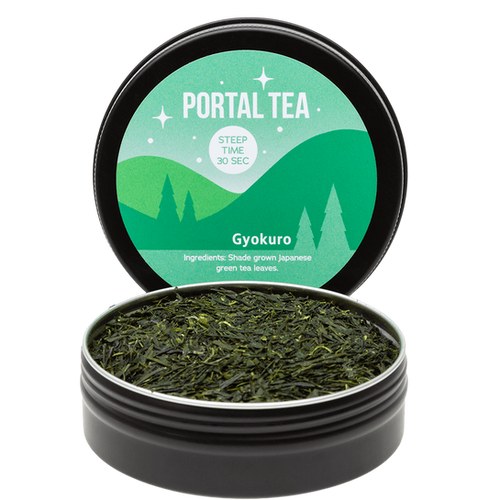
In this guide, we'll break down the key differences between jasmine tea and plain green tea, so you can decide which one fits your taste and lifestyle. We'll also look at popular options like Dragon Pearl Jasmine #75 and Gyokuro #23 to illustrate the range within each category.

The Basics: What Are They?
Green tea is made from the leaves of the Camellia sinensis plant that are quickly heated to prevent oxidation. This process preserves the green color and fresh, vegetal flavors. Green teas can vary widely depending on the region and how they're processed, from the sweet, nutty notes of Gyokuro #23 to the grassy, slightly bitter taste of some Chinese green teas.
Jasmine tea, on the other hand, is a scented tea. Typically, green tea leaves are layered with jasmine blossoms, allowing the leaves to absorb the floral aroma. The process can be repeated multiple times for a stronger scent. The base tea is often a green tea, but it can also be white or black tea. So, while all jasmine teas are not necessarily green tea, the most common versions are.
- Jasmine tea is usually a green tea base scented with jasmine flowers.
Flavor and Aroma
Plain green tea offers a grassy, sometimes slightly bitter taste with a clean, refreshing finish. The flavor can range from sweet and buttery (like Gyokuro #23) to astringent and smoky. Green tea has a subtle, vegetal aroma that many describe as 'green' or 'fresh'.
Jasmine tea adds a layer of sweet, floral perfume to the base green tea. The jasmine scent is often described as calming and exotic. The flavor is less grassy and more delicate, with a natural sweetness that comes from the flowers. Dragon Pearl Jasmine #75, for example, is a pearl-shaped green tea that unfurls when steeped, releasing a strong jasmine aroma and a smooth, slightly sweet taste.
- If you prefer a more robust, vegetal flavor, choose plain green tea.
Caffeine and Health Benefits
Since jasmine tea is usually made from green tea leaves, its caffeine content is similar to that of green tea—about 25-40 mg per 8-ounce cup. However, the caffeine can vary based on the base tea and steeping time. If you're sensitive to caffeine, you might want to choose a decaffeinated option or a lower-caffeine green tea like Gyokuro #23, which has slightly less caffeine due to its shade-growing process.
Both teas are rich in antioxidants called catechins, which are linked to various health benefits, such as improved heart health and reduced inflammation. The jasmine scent itself may also provide aromatherapy benefits, potentially reducing stress and anxiety. However, these claims are not scientifically proven, so enjoy them for their taste and ritual rather than as medicine.
- Steep green tea for 2-3 minutes to avoid bitterness; jasmine tea can steep slightly longer.
How to Choose Between Them
When choosing between jasmine tea and green tea, consider your flavor preferences and the occasion. If you enjoy a classic, clean cup that pairs well with food, plain green tea is a versatile choice. If you're looking for a more aromatic, soothing experience, jasmine tea is perfect for afternoon relaxation or as a dessert tea.
Also, think about the quality of the base tea. A high-quality jasmine tea like Dragon Pearl Jasmine #75 uses premium green tea leaves, so you get the best of both worlds. If you're a purist, try a single-origin green tea like Gyokuro #23 to appreciate the subtle nuances of the leaf.
- For a floral, calming cup, choose jasmine tea; for a fresh, vegetal taste, go with green tea.
Ultimately, the choice between jasmine tea and green tea comes down to your taste buds. Both offer health benefits and a delightful tea experience. Try both to see which one you reach for more often—or keep both on hand for different moods. Whichever you choose, you're in for a rewarding cup.